
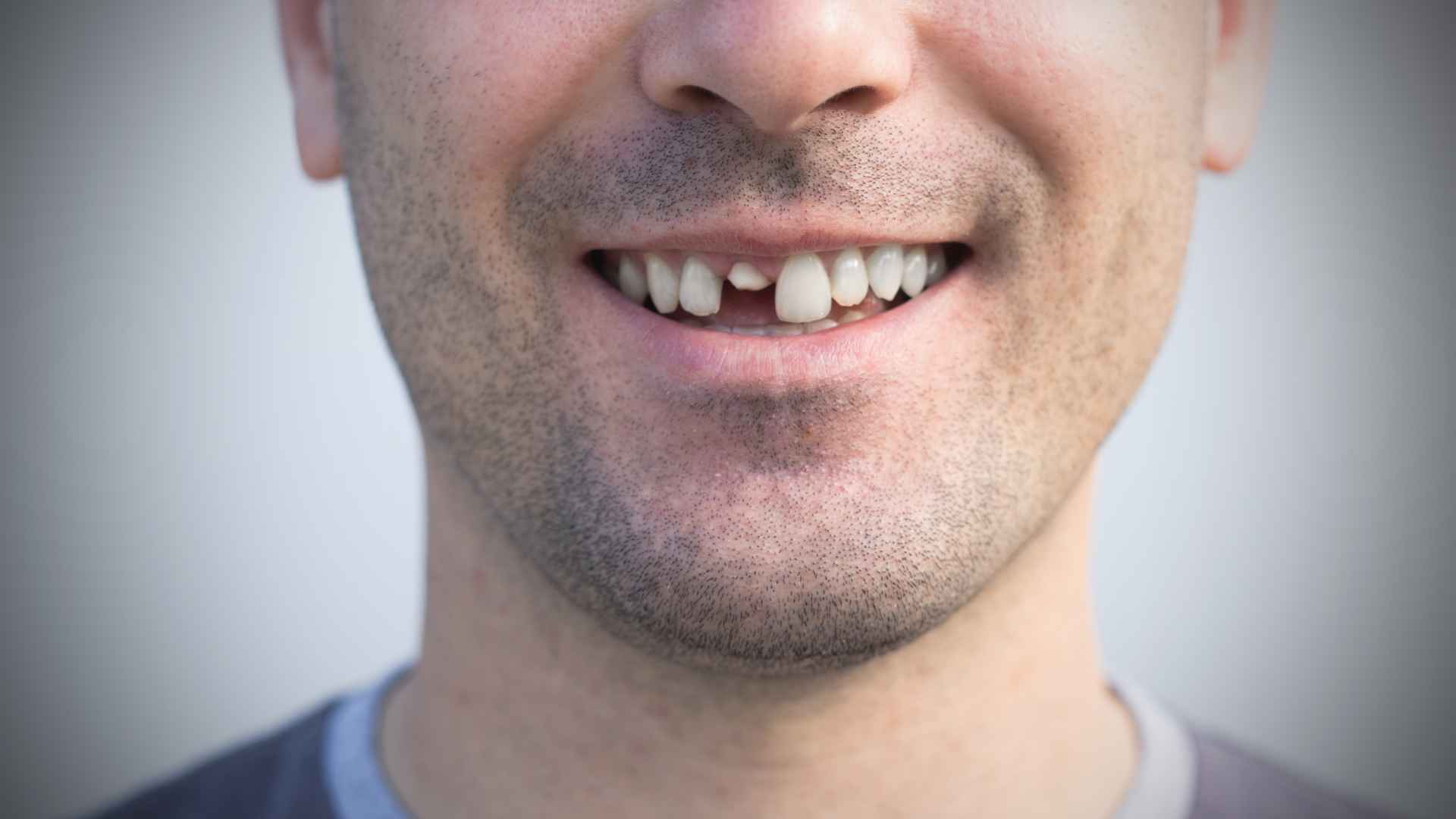
A chipped or cracked tooth does not automatically rule out whitening, but it changes the conversation. The answer depends on how deep the damage goes, whether the tooth has been repaired, and how sensitive it is right now. Knowing this before you book saves you from discomfort and from surprises afterward.
This guide covers how damage affects whitening, which situations call for a dentist first, and what to expect if you move forward.
Why Damage Changes How Whitening Works
Whitening gel works on enamel, the hard outer layer of your tooth. A chip or crack can break through that layer and expose the dentin underneath. Dentin has tiny channels that lead toward the nerve, so it reacts to the gel much more strongly than intact enamel does.
Because of this, the size and depth of the damage matter far more than the fact that damage exists.
Surface Chips and Hairline Cracks
A tiny chip on the edge of a tooth often stays within the enamel. Hairline cracks, called craze lines, are also common and usually cosmetic. Many people with these minor flaws whiten without any trouble.
Even so, tell your specialist about them before treatment. They can look at the tooth and adjust the process if needed.
Deeper Chips and Cracks
A crack that reaches the dentin is a different story. Gel can seep into the opening and reach sensitive tissue. This can cause sharp pain during or after a session.
A deeper crack also needs repair for reasons that have nothing to do with color. Treating it first protects the tooth from further damage.
Signs You Should See a Dentist First
Some symptoms point to damage that needs attention before any whitening. Here are the signs worth taking seriously.
- Pain when you bite down or release your bite
- Sharp sensitivity to hot or cold in one specific tooth
- A rough or jagged edge you can feel with your tongue
- A visible crack that runs toward the gumline
- A chip that happened recently and has not been checked
Any of these deserves a dental exam first. Once the tooth is stable or repaired, whitening becomes a much safer question to ask.
What Happens After a Chip Gets Repaired
Most chipped teeth get fixed with bonding, a filling, a veneer, or a crown. Each of these materials is synthetic, and none of them lighten with whitening gel.
Why Timing Matters
If you whiten after the repair, your natural teeth get lighter while the repaired area stays the same shade. This can leave a visible mismatch. Our guide on whether dental work can be whitened explains how each restoration type responds.
The Better Order
Whiten your natural teeth first when you can. Then ask your dentist to match the repair to your new shade. If the repair already exists, ask your dentist whether replacing it after whitening makes sense.
Can Whitening Make a Chip Look Worse?
Whitening does not enlarge a chip or deepen a crack. The gel lifts stains and does not remove tooth structure. The damage itself stays the same size.
It can change how the damage looks, though. A chipped edge often looks slightly darker or more translucent than the rest of the tooth. After whitening, that contrast can become easier to notice. Some people also see craze lines more clearly once the surrounding enamel brightens.
This is a visual effect and not new damage. It helps to know about it ahead of time.
What to Expect If You Move Forward
If your dentist or specialist confirms the damage is minor, a session can go ahead with a few adjustments. Here is what that usually looks like.
- You point out every chip or crack during the consultation
- Your specialist checks the area and watches it throughout treatment
- Desensitizing gel is applied afterward to calm the tooth
- You speak up right away if one tooth feels sharper than the rest
Expect a bit more sensitivity in the damaged tooth than in the others. This usually fades within a day or two. If it lingers or turns into real pain, stop and see a dentist.
Practical Tips Before Your Appointment
A few small steps make the visit smoother. Use a sensitivity toothpaste for a week or two beforehand, since it calms nerve reactivity. Skip very hot or cold drinks the day before. Avoid biting hard foods on the damaged tooth until it has been checked.
These steps will not fix a crack, but they reduce discomfort on the day.
When Whitening Should Wait
Whitening should wait if the tooth hurts, if the chip is fresh, or if you see a crack that seems to be growing. Whitening a tooth in that condition risks pain and does not solve the underlying problem.
There is no cost to waiting. Once the tooth has been evaluated and treated, you can book with confidence. Our page on whether teeth whitening is safe covers the broader safety picture, including who should hold off.
Questions to Bring to Your Consultation
Walking in with a few questions helps your specialist give a useful answer. Ask whether your specific chip or crack is shallow enough for treatment. Ask whether the session length or gel strength should change. Ask how the damaged area is likely to look afterward compared with the rest of your smile.
Honest answers to these questions set realistic expectations before any gel touches your teeth.
Making the Right Call for Your Tooth
A chipped or cracked tooth does not always mean you cannot whiten. Minor surface flaws usually work fine with a little extra care. Deeper damage and painful teeth need a dentist first. Repairs will not change color, so planning the order of treatment keeps your smile looking even.
If you are unsure where your tooth falls, our FAQ page answers many common pre-booking questions. When you are ready to talk through your specific situation, We Whiten has trained specialists who can look at your teeth and tell you honestly what to expect.
