
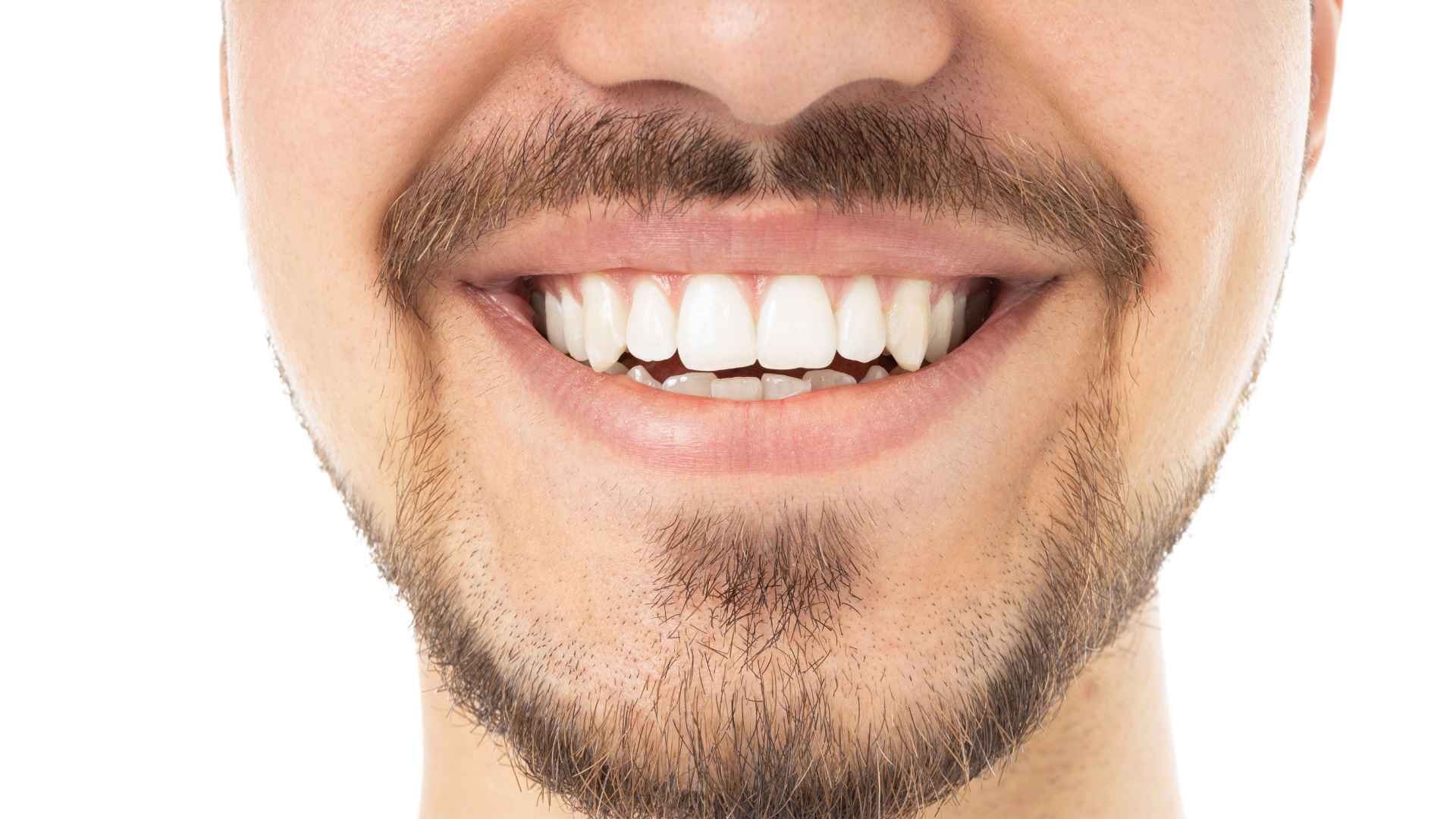
Remineralization is one of those terms that gets mentioned briefly during a whitening consultation and then rarely explained in detail. It is a genuinely important process, though, especially in the days right after treatment. This guide covers what remineralization actually is, why it matters after whitening, and practical ways to support it through diet, timing, and product choices.
What Remineralization Actually Means
Your enamel is not a static, unchanging surface. It exists in a constant back-and-forth process between demineralization, where minerals are lost from the enamel due to acid exposure, and remineralization, where minerals are redeposited back into the enamel structure. This natural cycle happens continuously throughout the day, largely driven by your saliva and diet.
Remineralization relies on key minerals, primarily calcium and phosphate, being available for your enamel to reabsorb after any demineralization event. Saliva naturally carries these minerals, which is part of why saliva plays such an important role in overall enamel health beyond just moisture.
Why This Matters Specifically After Whitening
Whitening gel temporarily increases the permeability of your enamel while it works to break down stain molecules. This is a normal, expected part of the whitening process, but it does mean your enamel is in a slightly more open state for roughly 24 to 48 hours after treatment. Supporting remineralization during this window helps your enamel return to its normal, protective state as efficiently as possible.
This is not a sign that whitening causes lasting harm. It is simply a short recovery period where a bit of extra attention to remineralization supports your enamel through its natural process.
Dietary Habits That Support Remineralization
What you eat and drink plays a direct role in how effectively your enamel remineralizes, both after whitening and as an ongoing part of general oral health.
Calcium-Rich Foods
Dairy products like milk, cheese, and plain yogurt are well-known sources of calcium, and calcium is one of the two primary minerals your enamel needs to remineralize effectively. Leafy greens, almonds, and fortified plant-based milk alternatives also provide meaningful calcium for anyone who avoids dairy.
Phosphate-Rich Foods
Phosphate works alongside calcium in the remineralization process, and foods like eggs, fish, meat, and nuts all provide good sources. A balanced diet that includes both calcium and phosphate sources gives your enamel the raw materials it needs to rebuild mineral content effectively.
Foods and Drinks That Work Against Remineralization
Highly acidic foods and drinks temporarily lower the pH in your mouth, which shifts the balance toward demineralization rather than remineralization. Citrus fruits, soda, wine, and sports drinks all fall into this category. This does not mean avoiding them entirely, but limiting frequency, particularly in the 48 hours right after a whitening session, gives your enamel a better chance to focus on rebuilding rather than fighting off continuous acid exposure.
Sugary foods also contribute indirectly, since sugar feeds the oral bacteria that produce acid as a byproduct. Reducing sugar intake, especially frequent snacking on sugary items throughout the day, supports a more stable, remineralization-friendly environment in your mouth.
The Role of Saliva
Saliva is often overlooked in conversations about enamel health, but it is one of the most important natural tools your body has for remineralization. Saliva carries dissolved calcium and phosphate, buffers acid, and physically washes away food particles and bacteria throughout the day.
Supporting Healthy Saliva Production
Staying well hydrated is the simplest way to support saliva production. Dehydration reduces saliva flow, which limits your mouth’s natural remineralization capacity regardless of how well you are eating otherwise.
Chewing sugar-free gum between meals is another practical way to stimulate saliva production. The chewing action itself triggers increased saliva flow, which helps deliver more minerals to your enamel throughout the day without requiring any specific dietary change.
Timing Matters as Much as What You Consume
When you eat and drink matters nearly as much as what you choose, particularly around the remineralization window after whitening.
Spacing Out Acidic Exposure
Rather than sipping an acidic drink slowly over an hour, consuming it in a shorter window and following it with water reduces the total time your enamel spends in a demineralized state. This principle applies to coffee, tea, wine, and soda, all of which carry some level of acidity in addition to any staining potential.
Waiting to Brush After Acidic Foods
Brushing immediately after acidic food or drink can cause minor abrasion to enamel that has been temporarily softened by acid exposure. Waiting roughly 30 minutes gives your enamel time to begin remineralizing naturally before introducing the mechanical action of brushing.
Product Options That Support Remineralization
Beyond diet and timing, a few specific products are designed to actively support the remineralization process, which can be particularly useful in the days following a whitening session.
Remineralizing Gels
Remineralizing gels are formulated specifically to deliver concentrated minerals directly to enamel, supporting the rebuilding process more directly than diet alone. Our teeth remineralization gel is one option worth considering if you want a more targeted approach during the recovery window after whitening, or as part of an ongoing enamel health routine.
Fluoride Toothpaste
Fluoride works alongside calcium and phosphate to strengthen enamel and make it more resistant to future demineralization. A standard fluoride toothpaste used consistently as part of your regular brushing routine supports this process on an ongoing basis, separate from any post-whitening considerations.
Other Supportive Products
A broader range of oral care products can support enamel health as part of a complete routine. Our shop has options worth browsing if you want to build out a more comprehensive at-home routine that supports both your whitening results and your general enamel health over time.
Building a Remineralization Routine After Whitening
The days immediately following a whitening session are the most important window to focus extra attention on remineralization, though the habits worth building extend well beyond that initial period.
In the first 48 hours after treatment, prioritize water intake, avoid highly acidic and heavily staining foods and drinks, and consider using a remineralizing gel if you have one on hand. Our full aftercare guide covers the complete list of what to eat and avoid during this window, which pairs naturally with the remineralization habits covered here.
Beyond the immediate aftercare period, maintaining a diet reasonably rich in calcium and phosphate, staying hydrated, using a fluoride toothpaste consistently, and moderating how often you expose your teeth to acidic foods and drinks all support long-term enamel health regardless of how recently you whitened.
A Simple, Sustainable Approach
Remineralization does not require a complicated regimen or expensive products to support effectively. Small, consistent habits, staying hydrated, eating a reasonably balanced diet, timing your brushing thoughtfully around acidic exposure, and using a fluoride toothpaste, cover most of what your enamel needs on an ongoing basis.
For anyone who wants a more targeted approach, particularly in the days right after a whitening session, a remineralizing gel adds a helpful, direct layer of support on top of these foundational habits.
If you are preparing for an upcoming whitening session or want guidance on building a remineralization routine that fits your specific needs, We Whiten has trained specialists who can walk you through practical, sustainable steps for supporting your enamel before and after treatment.
