
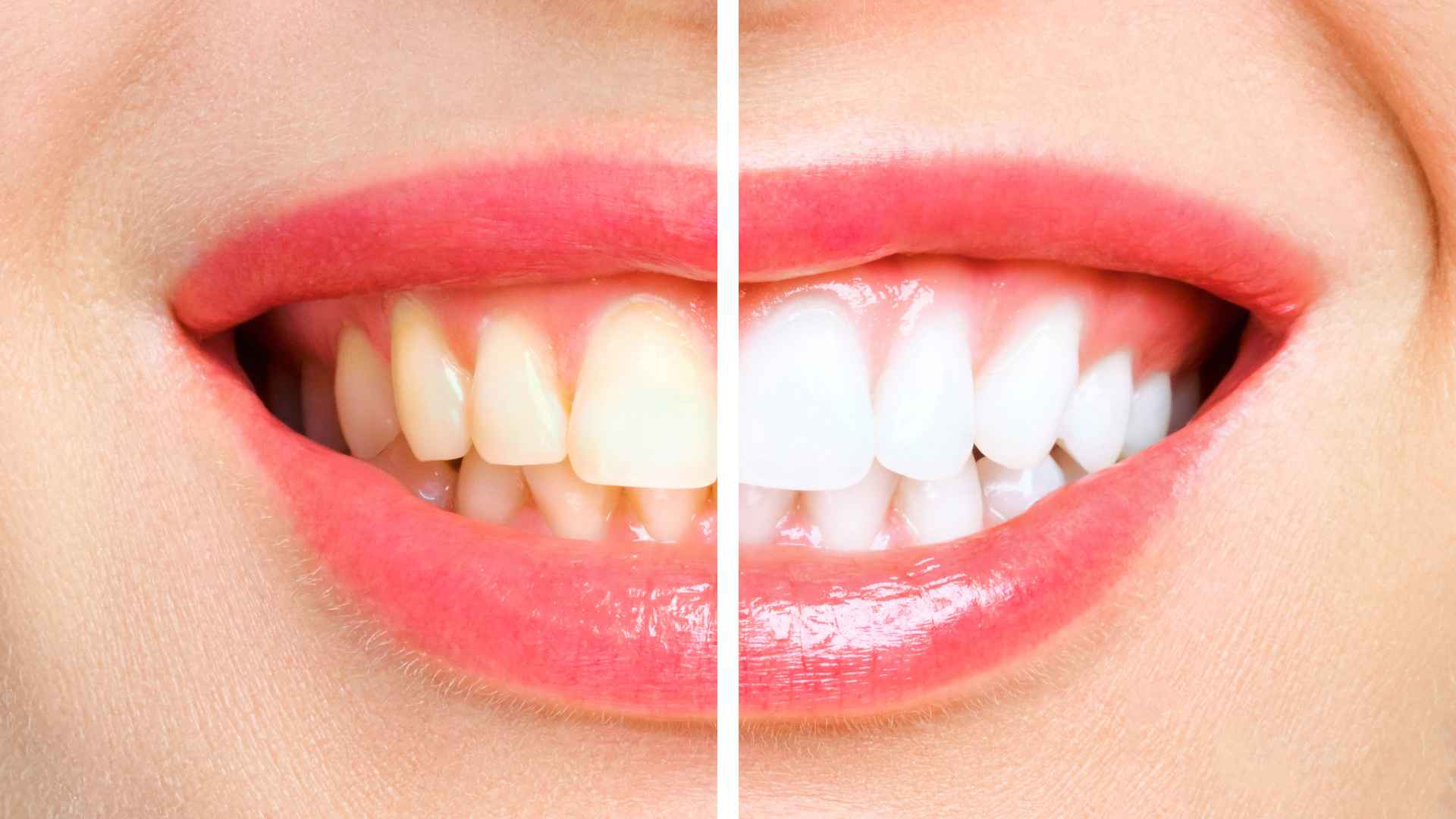
There is a version of white that looks genuinely great on camera and in person, and there is a version that starts to look artificial, almost like a filter that never got turned off. Knowing where that line sits, and how to choose a shade that flatters your specific features, matters just as much as the whitening process itself. This guide focuses on the aesthetic side of that decision, separate from the technical scale used to measure shade change.
Why “As White as Possible” Is Not Always the Right Goal
It is easy to assume more whitening is always better, but the brightest possible shade is not automatically the most flattering one. Just like foundation shade or hair color, tooth color exists in relation to the rest of your face, and a shade that clashes with your natural coloring can draw attention in the wrong way rather than simply looking bright and healthy.
The Uncanny Valley of Whitening
There is a recognizable point where teeth stop looking naturally bright and start looking artificial, sometimes described as a blue-white or chalky appearance. This tends to happen at the extreme end of the shade spectrum, particularly for people whose natural skin tone and eye color do not pair well with that level of brightness. Once teeth cross into this territory, the result can actually look less healthy rather than more, since it reads as obviously treated rather than naturally radiant.
Factors That Influence What Shade Looks Best on You
A handful of personal factors shape which whitening shade will look most natural and flattering for your specific features, beyond whatever the maximum achievable shade might technically be.
Skin Tone
Warmer skin tones, those with more yellow or golden undertones, often look most flattering with a tooth shade that has a slight warmth to it rather than a stark, cool white. Cooler skin tones, with more pink or blue undertones, can often carry a brighter, cooler white shade without it looking as jarring by comparison.
This does not mean warmer skin tones cannot achieve a bright white smile. It means the specific shade that reads as most natural and flattering varies based on this interplay between your teeth and your overall coloring.
Lip Color and Fullness
Darker or more pigmented lip color can create more contrast against very bright white teeth, which sometimes makes even a moderate whitening result look more dramatic than intended. Lighter, more neutral lip tones tend to create less contrast, allowing a brighter shade to look more seamlessly natural.
Age
Very bright, uniform white teeth can sometimes look slightly out of place on someone whose overall facial features suggest an older age range, simply because that shade is not typically associated with natural, unwhitened aging teeth. This is not a hard rule, and plenty of older adults choose and enjoy a bright shade. It is simply a factor worth considering as part of your personal aesthetic decision rather than a strict guideline.
How to Think About Your Natural Ceiling
Every person has a natural maximum shade their teeth can realistically reach, determined by enamel thickness, translucency, and underlying dentin color. Our guide on how whitening shade charts work explains the technical side of how this ceiling is measured and tracked during treatment.
What is worth understanding here is that reaching your natural ceiling does not automatically mean choosing the most extreme possible outcome. Even within your achievable range, you have some say in how far you want to push toward the brightest end versus stopping at a shade that still looks bright and healthy without tipping into looking obviously treated.
Questions to Ask Yourself Before Choosing Your Target Shade
A few honest questions can help clarify what you are actually looking for before you sit down for a consultation.
Do you want your smile to look noticeably brighter to people who know you, or do you want a change so dramatic that it becomes the first thing anyone notices? Are you drawn to the look of extremely bright, uniform celebrity smiles, or do you prefer a more natural, healthy-looking brightness that still resembles your own teeth, just improved? How does your ideal shade look against your specific skin tone and lip color, based on photos or examples you have seen of similar coloring to your own?
There are no wrong answers here. Some people genuinely want the most dramatic, camera-ready result possible and are thrilled with an extremely bright shade. Others prefer something that reads as healthy and improved without looking like an obvious cosmetic change. Knowing which category you fall into before your appointment helps you communicate your goal clearly.
Why a Specialist Consultation Helps With This Decision
A good whitening specialist does more than apply gel and check a shade chart. Part of a thoughtful consultation involves discussing your specific goals and helping you understand what range of shades will likely look most flattering given your particular coloring and features.
Bringing Reference Photos
If you have seen a specific look you like, whether from a friend, a celebrity, or even your own teeth at a certain point in the past, bringing a reference photo to your consultation gives your specialist a concrete starting point for the conversation, rather than relying on a verbal description alone.
Discussing Session Length Based on Your Goal
Since a 60-minute session and a 90-minute session produce different degrees of shade change, up to six shades versus up to ten shades respectively, this is a practical decision point tied directly to how bright you actually want to go. If you are aiming for a noticeable but more moderate brightening, the shorter session might align better with your goal than automatically choosing the longer, more intensive option.
Looking at Real Examples Before Deciding
Reading about shade preferences in the abstract only goes so far. Looking at real examples of different shade outcomes across a range of starting points and skin tones gives you a much clearer sense of what various levels of whitening actually look like in practice. Our results page shows real client outcomes, which can help you identify results that resonate with the look you are hoping to achieve for your own smile.
It Is Genuinely Your Choice
There is no universal correct answer to how white is too white. Some people are perfectly happy with an extremely bright result and feel great about it every time they smile. Others prefer stopping short of the maximum achievable shade in favor of something that still looks recognizably like an improved version of their own natural teeth.
What matters most is that you walk into your appointment with a clear sense of your own preference, informed by an honest look at your skin tone, lip color, and the kind of examples that genuinely appeal to you, rather than assuming the brightest possible outcome is automatically the best one for your specific face.
Finding the Shade That Is Right for You
Choosing a whitening shade is a personal decision that goes beyond simply reaching the highest number on a chart. Considering how a given shade interacts with your skin tone, lip color, and overall look helps you land on a result that feels genuinely flattering rather than simply extreme.
If you want to talk through your specific goals before booking, We Whiten has trained specialists who can help guide that conversation based on your individual features. Find professional teeth whitening near you and discuss your ideal shade during your consultation before any treatment begins.
