
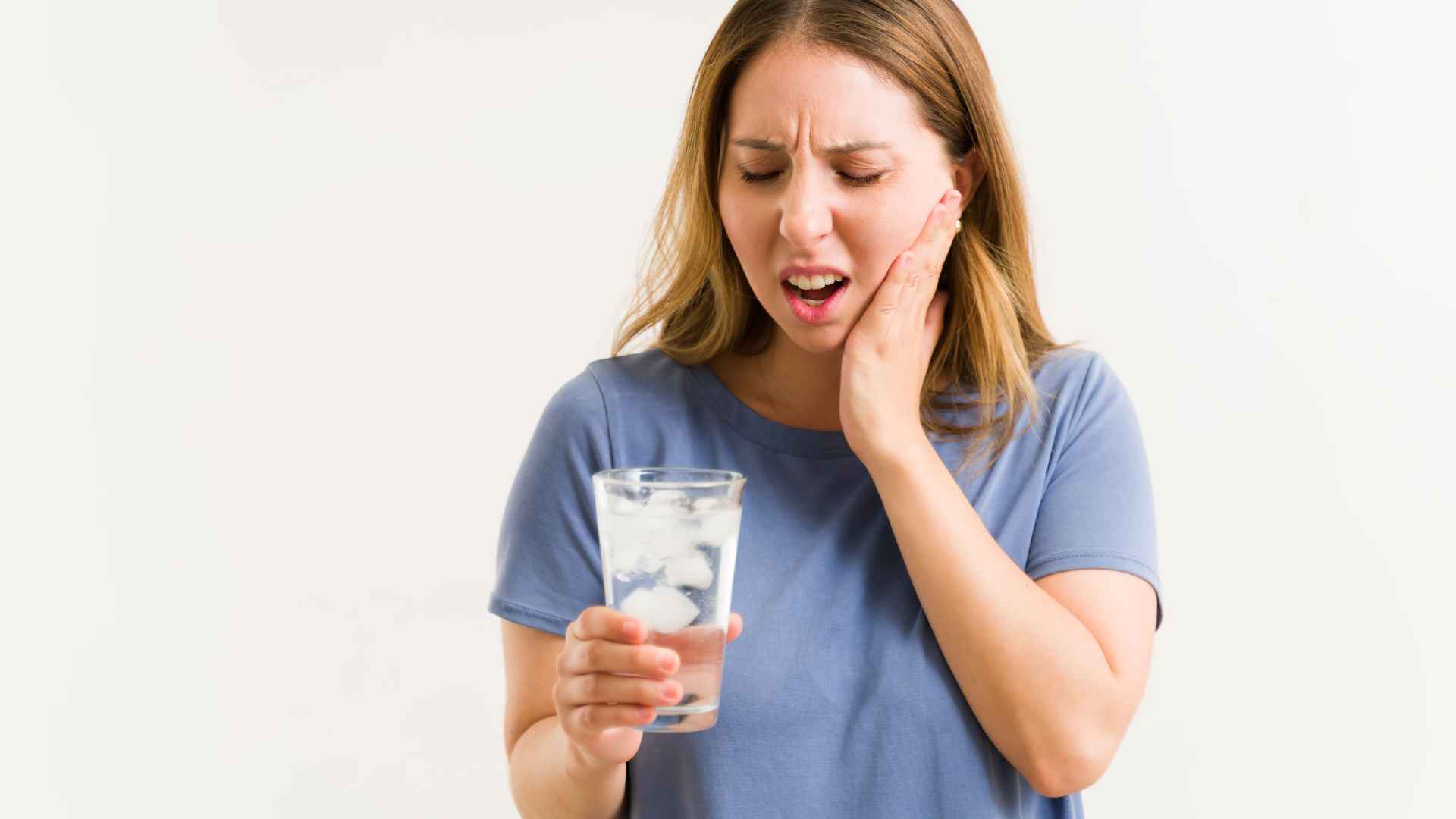
Professional teeth whitening is safe for most people with sensitive teeth, and the experience does not have to be uncomfortable. Sensitivity during or after whitening is common, but it is manageable, and a professional setting offers far more control over that experience than any at-home kit can.
If tooth sensitivity has kept you from trying whitening, this guide walks through why sensitivity happens, how professional treatment is designed to work around it, and what you can do before and after your session to keep discomfort to a minimum.
Why Some People Have More Sensitive Teeth
Tooth sensitivity is not a single condition with one cause. Several different factors can make teeth more reactive to temperature, pressure, or whitening gel, and understanding which one applies to you helps set realistic expectations before treatment.
Thin or Worn Enamel
Enamel thickness varies from person to person. Some people are born with naturally thinner enamel. Others develop thinner enamel over time from acidic diets, aggressive brushing, or grinding.
Thinner enamel means less insulation between the outer tooth surface and the nerves inside. That reduced buffer makes teeth more reactive to stimuli in general, including whitening gel.
Exposed Dentin
Dentin is the layer just beneath your enamel. When enamel wears down or gums recede, dentin becomes partially exposed. Dentin contains microscopic channels that lead directly to the nerve of the tooth, which is why exposed dentin tends to cause sharp, immediate sensitivity to temperature and certain products.
Natural Baseline Sensitivity
Some people simply have more reactive teeth without any identifiable structural cause. Their enamel is intact and their gums are healthy, but their teeth respond more strongly to temperature changes or certain ingredients than average.
All three of these situations can be worked around in a professional setting. The key is communicating your sensitivity history before treatment begins so your specialist can adjust the process accordingly.
How Professional Whitening Manages Sensitivity
A professional whitening session is not just stronger gel applied without thought. The process includes specific steps designed to minimize discomfort, and those steps make a meaningful difference for clients who come in with sensitivity concerns.
Desensitizing Gel as Part of Every Session
One of the most important parts of the We Whiten process is the application of desensitizing gel after treatment. This gel re-hydrates the enamel, helps close the temporary pores that open during whitening, and reduces the reactive window after your session ends.
This step is built into every appointment, not offered as an add-on for people who ask. That consistency means even first-time clients with no prior whitening experience get the protective benefit automatically.
Trained Specialists Who Adjust in Real Time
A professional session includes a trained technician present throughout your appointment. If your teeth start feeling more sensitive than expected during treatment, your specialist can pause, assess, and adjust the process rather than pushing through discomfort.
That real-time responsiveness is something no home kit can offer. You are not on your own trying to interpret whether what you are feeling is normal. There is a professional in the room paying attention to how your teeth are responding.
Vitamin and Mineral Application
Throughout the whitening process, vitamins and minerals are applied to your teeth to support enamel health while the gel works. This is not a cosmetic step. It actively helps protect the enamel during treatment and supports remineralization after the session ends.
For clients with sensitivity, this step adds an extra layer of protection during the whitening process itself, not just afterward.
What Sensitivity During Whitening Actually Feels Like
A lot of people avoid whitening because they imagine significant pain. The reality for most clients, including those with sensitive teeth, is much milder than that expectation.
The most common description from clients with sensitivity is a brief, mild zing or twinge during treatment. Some describe it as a fleeting sharp sensation that passes quickly. Others notice nothing during the session and feel mild tenderness in the hours afterward.
Severe, prolonged pain during a professional whitening session is not the typical experience. If it occurs, the session stops. That is the standard a professional setting operates by, and it is very different from pushing through discomfort with an unsupervised home kit.
The Difference Between Sensitivity and Damage
It is worth being clear about this distinction. Sensitivity during or after whitening is a physiological response to peroxide temporarily increasing enamel permeability. It is not a sign that your enamel is being harmed.
Discomfort and damage are not the same thing. Sensitivity that fades within 24 to 48 hours after treatment is well within the normal range, even for clients who came in with existing sensitivity concerns.
Steps You Can Take Before Your Appointment
Managing sensitivity is not only about what happens in the studio. A few things you do in the days before your appointment can meaningfully reduce how reactive your teeth feel during and after treatment.
Here are practical steps worth taking before your whitening session.
- Switch to a sensitivity toothpaste for one to two weeks before your appointment. Ingredients like potassium nitrate help calm nerve reactivity over time with consistent use
- Avoid highly acidic foods and drinks in the 24 hours before your session, since acid temporarily softens enamel and can increase sensitivity
- Skip aggressive brushing right before your appointment, since irritated gum tissue can amplify discomfort during treatment
- Drink plenty of water in the days leading up to your session to support saliva production, which naturally protects and remineralizes enamel
None of these steps require a major routine change. They are small adjustments that add up to a more comfortable experience on the day of your appointment.
Steps You Can Take After Your Appointment
The 24 to 48 hours after your session is when sensitivity is most likely to show up. A few habits during that window reduce discomfort and help your enamel recover as quickly as possible.
Here is what to prioritize after your whitening session.
- Continue using sensitivity toothpaste for at least a week after treatment
- Avoid very hot or very cold drinks and foods for the first 24 hours, since temperature extremes are the most common trigger for post-whitening sensitivity
- Skip staining foods and drinks during the aftercare window to protect both your results and your enamel
- Stay well hydrated to support your saliva, which helps with natural remineralization
- Avoid aggressive brushing for the first day and use a soft-bristled toothbrush when you do brush
Most clients with sensitive teeth find that following these steps makes the post-whitening period very manageable. Sensitivity that shows up tends to peak in the first few hours and gradually eases over the following day.
When to Talk to Your Dentist Before Whitening
Professional whitening is appropriate for most adults with sensitive teeth, but a few specific situations are worth discussing with your dentist before booking a whitening session.
If your sensitivity comes from exposed dentin due to significant gum recession, your dentist can advise on whether whitening is suitable right now or whether addressing the recession first makes more sense. Similarly, if you have active cavities or untreated gum disease, those need attention before whitening regardless of sensitivity.
For most people with general tooth sensitivity, a conversation with your whitening specialist during the consultation is sufficient. You do not necessarily need a separate dental visit first, but knowing your specific situation helps your specialist shape the session appropriately.
What Results Look Like for Sensitive Teeth Clients
Sensitivity does not prevent meaningful results. Clients with sensitive teeth see the same kinds of shade improvements as clients without sensitivity concerns, because the whitening gel works on your enamel regardless of how reactive your teeth are.
A 60-minute session can lift your smile up to six shades whiter. A 90-minute session can reach up to ten shades. Sensitive teeth do not inherently limit how much your shade can shift. They just mean the process needs a little more care and communication along the way.
If you want to see what kind of results clients typically experience, our results page gives you a realistic picture of what professional whitening achieves across different starting points.
How Long the Process Takes
Knowing the full timeline helps sensitive teeth clients plan around any post-session tenderness. Most sessions run 60 to 90 minutes from check-in to final shade check, and the desensitizing step is built into that time rather than added onto it.
Our guide on how long teeth whitening takes breaks down what happens at each stage of the appointment so you know exactly what to expect and how much time to set aside.
Ready to Try a Pain-Free Approach
Sensitive teeth should not stand between you and a brighter smile. The professional whitening process at We Whiten is built around your comfort at every stage, with desensitizing gel, trained technicians, and real-time adjustments that make the experience manageable even for clients who have avoided whitening for years out of concern.
If you are ready to see what professional whitening can do for your smile, We Whiten makes it easy to get started. Find professional teeth whitening near you and book a session when you are ready to try a pain-free approach that actually works.
