
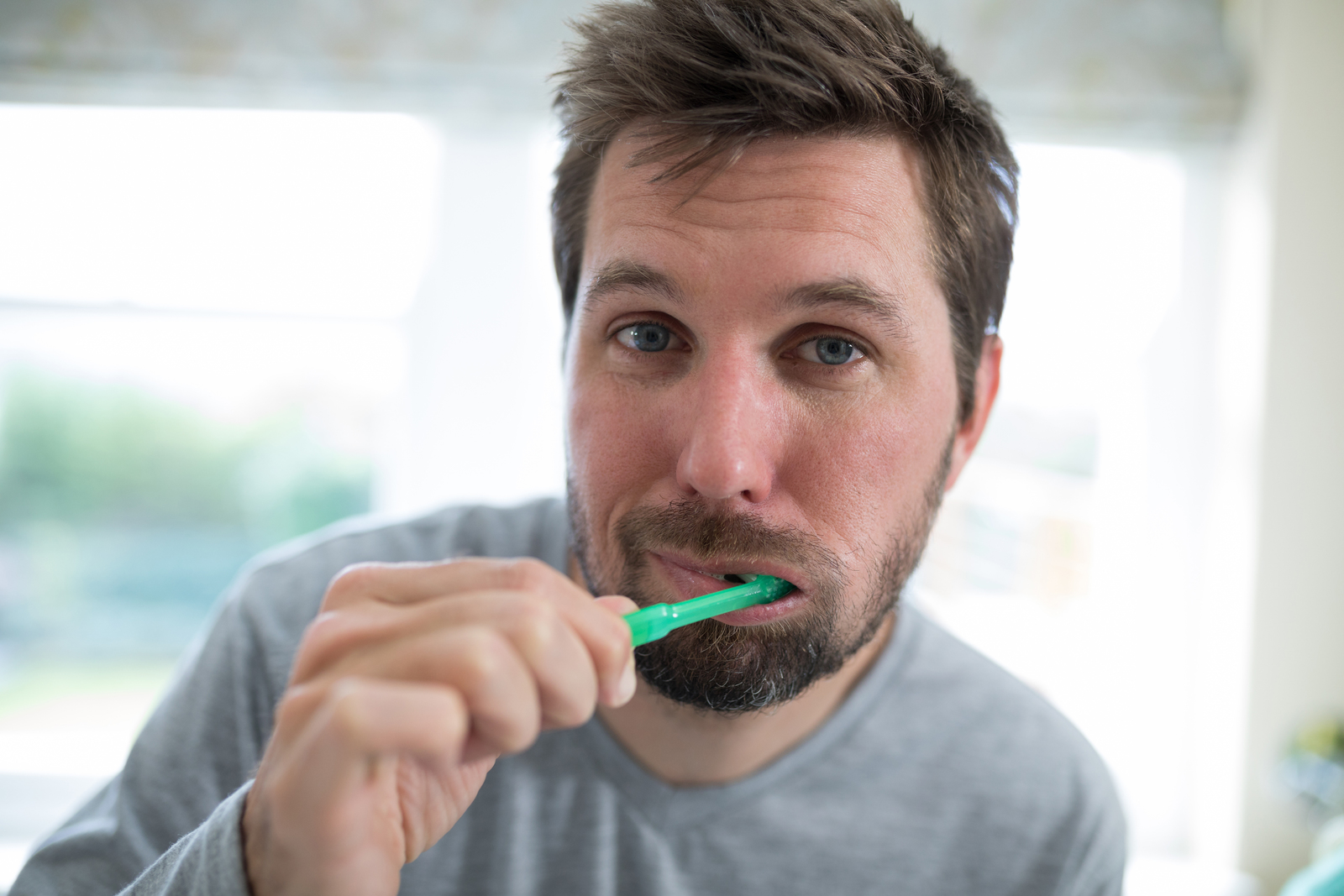
Quick answer: Brushing removes surface plaque and food debris, but it cannot reverse enamel thinning, genetic tooth color, or deep stains from coffee, tea, or tobacco. Yellow teeth often result from a combination of internal and external factors that go beyond daily oral hygiene habits.
Brushing twice a day is one of the best things you can do for your oral health. So it can feel frustrating to look in the mirror and still see yellow teeth, even when you’ve been consistent with your routine.
Here’s the thing: brushing cleans your teeth, but it doesn’t control everything that affects tooth color. Yellowing has several possible causes, and most of them have nothing to do with how well you brush. Some are related to diet, some to aging, and some are simply the result of your natural biology.
This post breaks down the most common reasons teeth look yellow, explains what brushing can and cannot do, and covers your options for achieving a noticeably brighter smile. If you’ve been wondering why your teeth aren’t as white as you’d like them to be, you’re about to get some real answers.
Visit WeWhiten to learn more about professional whitening options that go beyond what a toothbrush can do.

Why Brushing Helps, But Does Not Control Every Cause of Yellow Teeth
Brushing removes plaque, food particles, and some surface staining. That’s genuinely useful. But tooth color is influenced by more than just surface cleanliness.
Your teeth have two main layers: the outer enamel and the inner dentin. Enamel is naturally translucent and ranges from white to off-white. Dentin, the layer beneath, is naturally yellow. When enamel thins over time, more of that yellow dentin becomes visible through the surface.
No amount of brushing can rebuild enamel or change the color of dentin. That’s why many people brush consistently and still see yellow teeth, particularly as they get older.
There’s also a difference between extrinsic staining (stains on the outer surface of the enamel) and intrinsic discoloration (color changes within the tooth itself). Brushing can help manage extrinsic stains to a degree, but intrinsic discoloration requires a different approach.
6 Common Reasons Your Teeth May Look Yellow
1. Genetics and Natural Tooth Color
Not everyone is born with naturally white teeth. Tooth shade is partly determined by genetics, and some people simply have thicker or whiter enamel than others. If your parents had naturally off-white teeth, there’s a good chance you will too.
Natural tooth color ranges quite a bit from person to person. This doesn’t mean your teeth are unhealthy. It just means your baseline shade is different, and standard brushing won’t change that baseline.
2. Aging and Enamel Changes
Enamel naturally wears down over time through chewing, acidic foods, and general use. As the enamel layer becomes thinner, the yellowish dentin beneath it shows through more clearly. This is one of the most common reasons adults notice their teeth becoming more yellow with age, even without significant lifestyle changes.
This process is gradual and entirely normal. It’s also one of the main reasons professional whitening tends to be more effective than toothpaste alone.
3. Food and Drink Stains
Coffee, tea, red wine, berries, tomato-based sauces, and dark sodas all contain pigment-rich compounds that can adhere to enamel over time. Even with regular brushing, these stains build up, especially for people who consume these drinks and foods daily.
The American Dental Association notes that darkly pigmented foods and beverages are among the most common contributors to extrinsic tooth staining. Drinking through a straw and rinsing after meals can reduce exposure, but it won’t eliminate the staining entirely.
4. Smoking or Tobacco Use
Nicotine and tar from cigarettes and tobacco products are highly effective at staining teeth. Tobacco stains tend to be deep and persistent, often requiring more intensive whitening to address. Even people who smoke occasionally may notice a visible yellowing effect over time.
5. Enamel Wear from Acidic Foods or Overbrushing
Acidic foods and drinks (citrus, vinegar-based dressings, sparkling water) gradually erode enamel. So can brushing too hard or using an overly abrasive toothpaste. Once enamel wears away, the dentin underneath becomes more visible, making teeth appear more yellow even if they’re clean.
Brushing gently with a soft-bristled brush is a small habit that can make a meaningful difference over time.
6. Medications and Medical Factors
Certain medications can cause tooth discoloration as a side effect. Tetracycline antibiotics, antihistamines, and some blood pressure medications are known contributors. Fluorosis, which results from excessive fluoride exposure during childhood tooth development, can also cause discoloration.
These types of discoloration are intrinsic, meaning they originate from within the tooth. They can be harder to address and may require a dental evaluation to determine the best course of action.
Ready for a Brighter, Whiter Smile?
While consistent brushing is crucial for oral health, it can’t solve every cause of yellow teeth. Genetics, aging, and deep stains from food, drinks, or medication often require professional intervention. Understanding that tooth color is influenced by both surface stains and internal factors is the first step toward achieving the smile you want.
If you’re tired of seeing yellow and ready for a truly whiter smile, it’s time to look beyond your toothbrush. Contact WeWhiten today to book a consultation and discover how our professional teeth whitening services can safely and effectively brighten your smile.
