
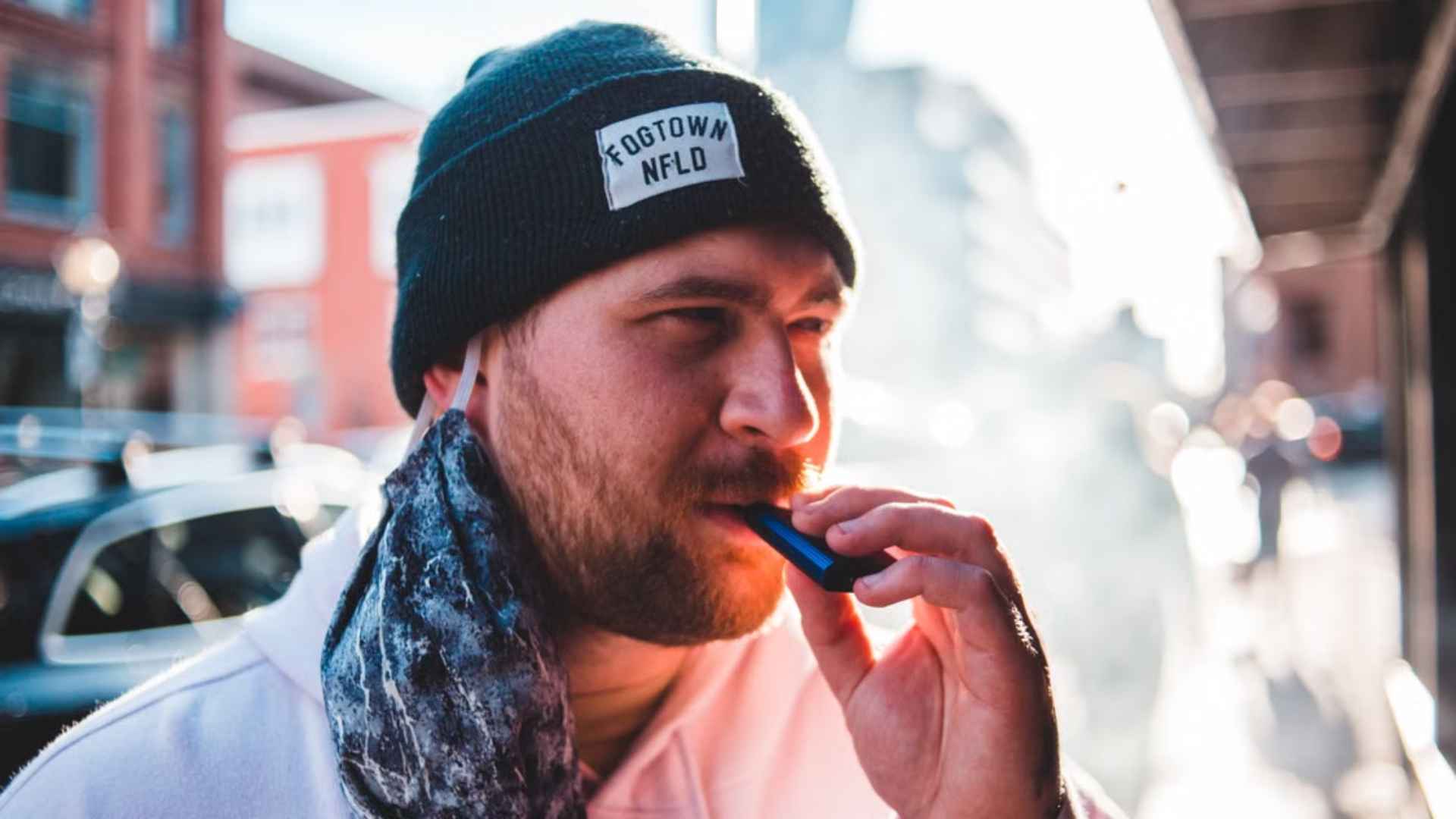
If you smoke or vape and have noticed your smile losing its brightness, you are far from alone. It is one of the most common concerns we hear from clients, and there is nothing to feel awkward about bringing up.
This guide covers how smoking and vaping tend to affect tooth color, and what professional whitening can realistically do to help. No judgment here, just useful information for anyone looking to brighten their smile.
How Smoking Affects Tooth Color
Traditional cigarettes contain tar and nicotine, and both play a role in tooth discoloration. Tar is naturally dark and sticky, which means it clings to enamel easily with repeated exposure.
Nicotine starts out colorless, but it reacts with oxygen and turns yellow over time. Combined with tar, this creates the yellow-to-brown staining pattern that shows up gradually with regular smoking.
Why These Stains Build Up Gradually
Staining from smoking rarely happens overnight. It builds slowly, session after session, as tar and nicotine residue settle into the tiny pores of your enamel.
This is part of why the staining can feel sudden even though it built up over months or years. One day it just becomes noticeable in photos or in the mirror.
How Vaping Affects Tooth Color
Vaping is often seen as the cleaner alternative, and in terms of visible tooth staining, it can be. But vaping is not entirely stain-free either, and a few factors are worth understanding.
Nicotine Still Plays a Role
Many vape liquids contain nicotine, and that nicotine can still contribute to discoloration over time. The effect tends to be milder than traditional cigarettes, but it is not zero.
Sugar and Flavoring Matter Too
Some flavored vape liquids contain sugar or other compounds that can affect your teeth. Sweetened residue sitting on enamel throughout the day can contribute to staining and even affect oral bacteria levels.
Dry Mouth Can Make Things Worse
Vaping can reduce saliva production for some people. Saliva naturally helps rinse away residue and neutralize acids in your mouth. Less saliva can mean more buildup and a higher chance of staining over time.
Why These Stains Can Feel Stubborn
Nicotine and tar residue do not just sit on the surface of your teeth. Over time, some of that staining works its way into the enamel itself, making it harder to remove with basic brushing alone.
This is different from the kind of surface staining you get from coffee or tea. Our guide on what stains teeth the most breaks down how different habits compare when it comes to tooth discoloration.
How Professional Whitening Helps With Tobacco and Nicotine Stains
Professional whitening uses stronger gel than anything available over the counter, and that strength matters for stubborn tobacco-related staining. A trained specialist applies it evenly across every tooth, targeting stains that daily brushing cannot fully reach.
What Makes Professional Treatment Different
A session typically includes a shade check, gel application under LED light, and a desensitizing step at the end. This combination helps break down deeper stains while keeping the process comfortable.
For smokers and vapers specifically, the stronger gel concentration used in professional settings tends to make a bigger visible difference compared to whitening toothpaste or strips alone.
Setting Realistic Expectations
Results vary based on how long you have smoked or vaped, how deep the staining has become, and your natural enamel color. Some staining sits closer to the surface and responds well to treatment. Other staining runs deeper and may need more than one session to see a fuller change.
A specialist can give you an honest read on your specific situation during a consultation, rather than promising a guaranteed outcome before even seeing your teeth.
Maintaining Your Results as a Smoker or Vaper
Since smoking and vaping are ongoing habits for a lot of people, staining can return faster than it would for someone without daily tobacco or nicotine exposure. That does not mean whitening is not worth it. It just means a little extra care goes a long way.
A few habits can help stretch out your results between sessions.
- Rinse your mouth with water after smoking or vaping when you can
- Brush and floss consistently, especially before bed
- Stay hydrated to help keep natural saliva production up
- Schedule touch-up sessions before staining fully returns
Why Aftercare Matters More for Smokers and Vapers
Right after a whitening session, your enamel is more porous and can be more prone to picking up new stains. That short window matters even more if you smoke or vape regularly.
Our aftercare guide covers what to do in the days right after treatment, including tips that can help you get more mileage out of your results.
A Supportive, No-Judgment Approach
Plenty of clients come in feeling a little self-conscious about asking for whitening because they smoke or vape. There is no need for that hesitation here. Staining is a common, cosmetic concern, and it is one we help with regularly.
The goal is simple. Give you honest information about what whitening can do for your specific teeth, without any pressure or lecture about your habits. Your smile, your choice, your pace.
Questions Worth Asking Before Your Appointment
A good consultation covers more than just booking a time slot. A few questions can help you walk in with the right expectations.
- How many sessions might I realistically need for noticeable change?
- What can I do between sessions to slow staining from coming back?
- Will sensitivity be different for me given my smoking or vaping habits?
Bringing these up during your consultation helps your specialist tailor the conversation to your actual situation, not a generic script.
Common Questions From Smokers and Vapers
A few questions come up often from clients dealing with tobacco or nicotine-related staining. Our FAQ page covers general questions about sensitivity, appointment length, and what to expect, which are worth a read before your first visit.
Ready for a Brighter Smile
Smoking and vaping can both contribute to tooth discoloration, but that does not mean you are stuck with it. Professional whitening offers a real option for managing tobacco and nicotine stains, with results that go beyond what toothpaste or strips can achieve on their own.
If you are ready to talk through your options, We Whiten is here to help, without any judgment about your habits along the way. A quick consultation can give you a clear, honest picture of what to expect for your specific smile.
