
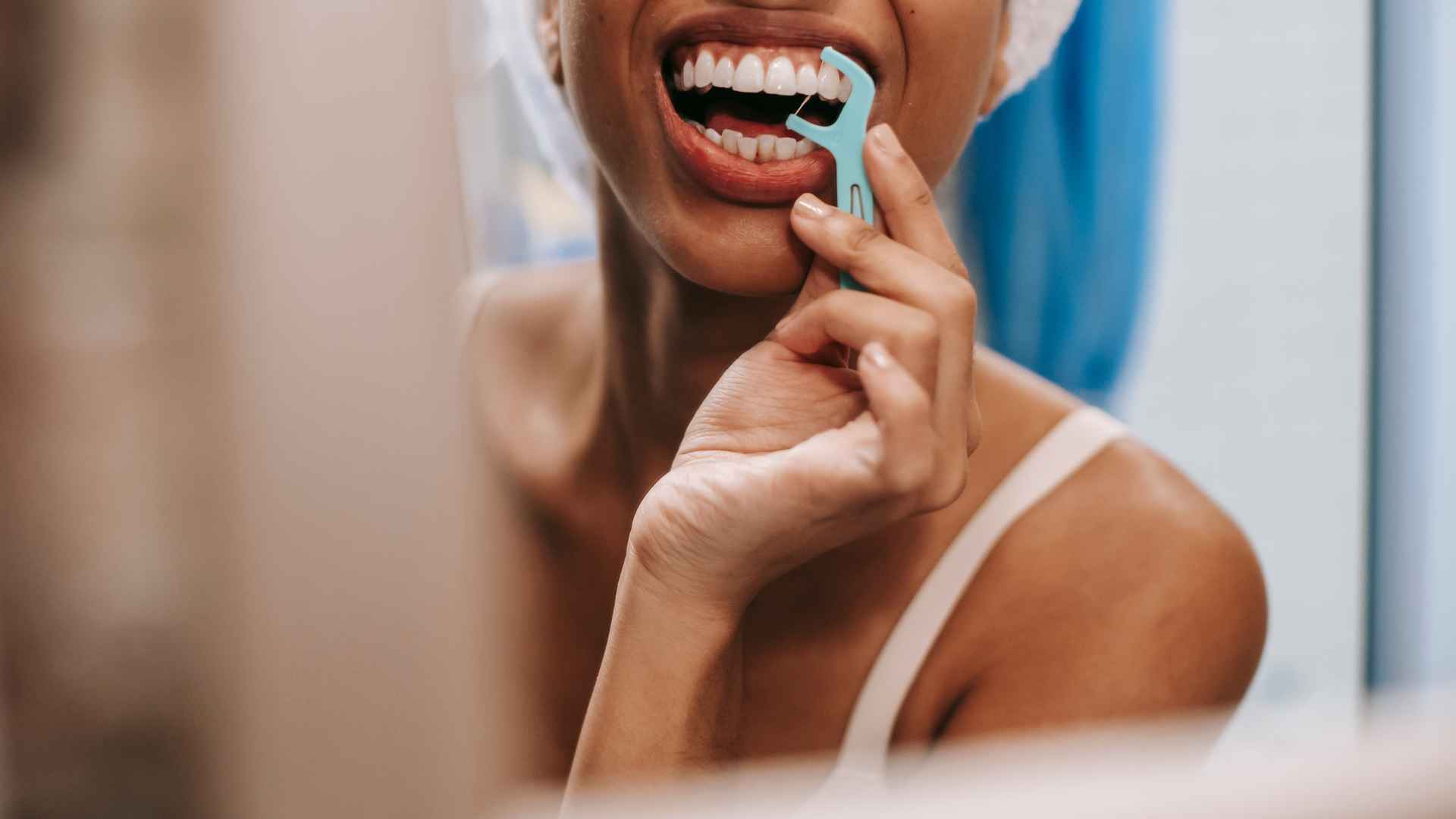
Sensitive teeth stop a lot of Sugar Land residents from booking a whitening appointment they would otherwise be excited about. That hesitation makes sense, but it does not need to be the deciding factor. Professional whitening is safe for most people with sensitive teeth, and a well-run session is built specifically to manage that discomfort rather than push through it.
This guide covers why sensitivity happens, what questions to ask before your appointment, and how a professional setting in Sugar Land approaches sensitive teeth differently than an at-home kit ever could.
Why Sugar Land Residents May Notice Sensitivity
Tooth sensitivity has several possible causes, and a few local habits and climate factors can play a role for some residents here.
Iced Drinks and Temperature Sensitivity
Sugar Land’s warm, humid climate keeps iced coffee, sweet tea, and cold sodas in near-constant rotation throughout the year. For people who already have some baseline sensitivity, frequent exposure to very cold drinks can make teeth feel more reactive day to day, which is worth mentioning to your specialist before a whitening session.
This is not a reason to give up iced tea or cold coffee. It is simply useful context for your specialist to have, since it helps them understand your baseline before treatment begins.
General Causes of Sensitivity
Beyond climate-related habits, most sensitivity comes down to a handful of common causes that apply regardless of where you live.
Thinner or worn enamel reduces the natural buffer between the tooth surface and the nerve underneath, which makes teeth more reactive to temperature and pressure. Exposed dentin, which happens when enamel wears down or gums recede, exposes microscopic channels that lead directly to the nerve. Some people also have a naturally more reactive baseline sensitivity without any specific structural cause at all.
Understanding which of these applies to you helps set realistic expectations and gives your specialist useful information before your session begins.
Questions Worth Asking Before You Book
A good whitening consultation should feel like an actual conversation, not just a scheduling call. Coming prepared with a few specific questions helps you understand exactly how a studio plans to manage your sensitivity.
What Does Your Desensitizing Process Actually Include?
This is one of the most important questions to ask. A quality studio should be able to describe a specific desensitizing step built into every session, not something offered only if you ask for it. Desensitizing gel applied after treatment helps re-hydrate the enamel and reduce the reactive window that follows whitening. Our guide on desensitizing gel and professional whitening explains how this step works and why it matters for comfort during and after your session.
Will Someone Be Monitoring Me Throughout the Session?
A trained specialist should be present for the full appointment, not just during setup. If sensitivity increases mid-session, the technician should be able to pause, assess, and adjust the process. This real-time responsiveness is one of the clearest advantages professional treatment has over any home kit, where you are on your own interpreting whether what you are feeling is normal.
Can the Treatment Length Be Adjusted for My Sensitivity Level?
Ask whether the session can be shortened or the gel concentration adjusted if you experience more sensitivity than expected. A studio confident in its process should have a clear answer here rather than a one-size-fits-all response.
What Should I Do Before My Appointment to Reduce Sensitivity?
A knowledgeable specialist should be able to offer practical guidance ahead of your visit, such as switching to a sensitivity toothpaste in the weeks before treatment or avoiding acidic foods the day before your session. If a studio has no specific recommendations here, that is worth noting.
Is Whitening Safe for My Specific Situation?
If you have existing dental work, gum recession, or a history of significant sensitivity, ask directly whether whitening is appropriate for your teeth right now or whether anything should be addressed first. Our page on whether teeth whitening is safe covers the general safety considerations worth understanding before any cosmetic dental treatment.
What a Well-Managed Session Actually Looks Like
Knowing what to expect from a properly run session helps you evaluate whether a studio is taking your sensitivity seriously.
Desensitizing Gel Built Into Every Appointment
The desensitizing step should not be an upsell or an optional add-on. It should be a standard part of every session regardless of whether you mention sensitivity concerns upfront. This consistency means even first-time clients get the protective benefit automatically.
Vitamin and Mineral Support During Treatment
Throughout a professional session, vitamins and minerals are typically applied to support enamel health while the whitening gel works. This is not just a comfort measure. It actively supports the enamel during the process and contributes to remineralization once treatment ends.
A Specialist Who Checks In With You
Good technicians ask how you are feeling throughout the appointment rather than assuming everything is fine because you have not said anything. This kind of attentiveness matters most for clients who came in already concerned about discomfort.
What Sensitivity Actually Feels Like During Treatment
A lot of Sugar Land residents avoid whitening because they imagine significant pain. For most clients, including those with existing sensitivity, the reality is considerably milder than that expectation.
The most common description is a brief, mild zing or twinge that passes quickly. Some people notice nothing at all during the session and feel mild tenderness for a few hours afterward. Severe or prolonged pain is not the typical experience, and if it happens, the session should stop rather than continue through it.
Sensitivity Is Not the Same as Damage
This distinction matters. Sensitivity during or after whitening is a normal physiological response to peroxide temporarily increasing enamel permeability. It is not evidence that your enamel has been harmed. Discomfort that resolves within 24 to 48 hours after treatment is well within the normal range, even for clients who came in already dealing with sensitivity concerns.
Steps to Take Before Your Appointment
A few habits in the days leading up to your session can meaningfully reduce how reactive your teeth feel during treatment.
Switching to a sensitivity toothpaste with potassium nitrate for one to two weeks before your appointment helps calm nerve reactivity ahead of time. Avoiding highly acidic foods and drinks in the 24 hours before your session prevents additional softening of the enamel right before treatment. If you know very cold drinks tend to bother your teeth, easing off iced coffee or sweet tea the day before your appointment can also help.
None of these require a major routine change. They are small, manageable adjustments that add up to a more comfortable appointment.
Steps to Take After Your Appointment
The 24 to 48 hours after your session is when sensitivity is most likely to show up, and a few habits during that window help your enamel recover comfortably.
Continue using a sensitivity toothpaste for at least a week after treatment. Avoid very hot or very cold foods and drinks for the first day, since temperature extremes are the most common trigger for post-whitening discomfort. This is worth keeping in mind given how central iced drinks are to daily life in Sugar Land, since easing back on ice-cold beverages for the first 24 hours can meaningfully reduce discomfort. Stay hydrated, use a soft-bristled toothbrush, and avoid aggressive brushing during that initial recovery window.
Most clients find that following these steps makes the post-whitening period manageable, with any discomfort peaking in the first few hours and gradually easing over the following day.
When to Loop in Your Dentist First
For most people with general sensitivity, a conversation with your whitening specialist during the consultation is enough. You do not necessarily need a separate dental visit first. That said, a few situations are worth discussing with your dentist before booking.
If your sensitivity stems from significant gum recession or exposed dentin, your dentist can advise on whether whitening makes sense right now. Active cavities or untreated gum disease should be addressed before any whitening session regardless of sensitivity level.
Results Are Not Limited by Sensitivity
Sensitive teeth do not mean smaller results. Clients with sensitivity see the same kind of shade improvement as anyone else, since the whitening gel works on the enamel itself, not on how reactive your nerves happen to be.
A 60-minute session can lift your smile up to six shades whiter, while a 90-minute session can reach up to ten shades. Sensitivity simply means the process calls for a little more communication and care along the way, not a lesser outcome.
Ready to Ask the Right Questions
Sensitive teeth should not keep you from a brighter smile. Coming prepared with the right questions helps you find a studio that takes your comfort seriously and manages the process accordingly.
If you are ready to book a consultation and talk through your specific concerns, We Whiten is ready to help. Visit the Sugar Land location page to check availability and book a session designed around your comfort from start to finish.
