
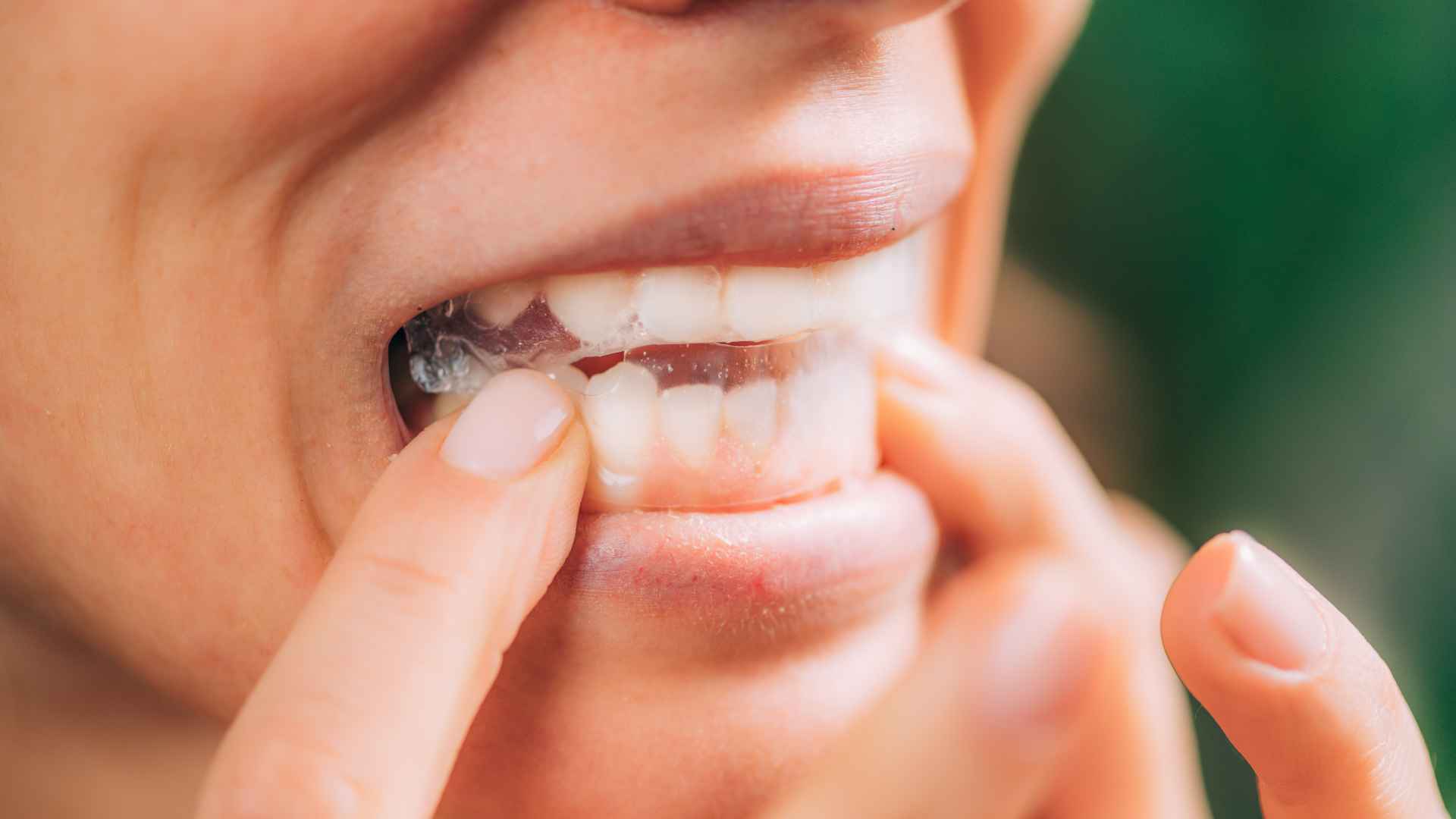
Whitening strips are one of the most widely used at-home whitening products on the market, and also one of the most misunderstood. Questions about whether they actually work, whether they are safe, and how to use them correctly come up constantly. This guide answers the most common questions people ask about strips in one place, so you have a clear, direct reference before your next purchase.
Do Whitening Strips Actually Work?
Yes, whitening strips work, though the degree of change is more modest than professional treatment. Strips use a thin layer of peroxide gel, typically hydrogen peroxide, that adheres to your teeth and breaks down surface stain molecules over the course of daily use.
Most strips are designed for a course of treatment lasting one to two weeks, with visible results typically showing a shift of one to two shades for people with light to moderate surface staining. Deeper or long-standing staining tends to respond less dramatically to strips compared to fresher, more recent discoloration.
Why Results Vary So Much Between People
Strip effectiveness depends heavily on your starting shade, the type of staining present, and how consistently you use the product. Someone with mild coffee staining built up over a few months will likely see a more noticeable result than someone with years of tobacco staining, even using the exact same product for the same length of time.
Are Whitening Strips Safe to Use?
Yes, whitening strips are generally safe for most people when used as directed. They are formulated at lower peroxide concentrations specifically because they are intended for unsupervised use, which is a built-in safety measure compared to the higher concentrations used in professional settings.
The most common side effect is temporary tooth sensitivity, which usually resolves within a day or two of stopping use. Gum irritation can also occur if the gel makes contact with soft tissue, since strips are not always perfectly sized for every mouth shape.
When Strips Are Not the Right Choice
Strips are not recommended for anyone with active cavities, untreated gum disease, or significant enamel erosion, since gel reaching compromised areas of the tooth or irritated gum tissue can cause discomfort or complications. Pregnant or nursing individuals are generally advised to avoid whitening products, including strips, as a precaution. Anyone with visible dental restorations on front teeth should also be aware that strips will not change the shade of crowns, veneers, or fillings, which can create a mismatch if the surrounding natural teeth lighten.
Should You Brush Before or After Using Whitening Strips?
Brush before applying strips, not immediately after. Brushing beforehand removes surface debris and plaque, giving the whitening gel more direct contact with your enamel rather than working through a layer of buildup.
Brushing immediately after removing strips is not recommended. Your enamel is temporarily more porous right after whitening gel is removed, and mechanical brushing during that window can cause minor abrasion. Waiting at least 30 minutes after removing the strips before brushing gives your enamel time to stabilize first.
What to Do Right After Removing Strips
Rinsing your mouth with water after removing the strips helps clear away any residual gel without the abrasive action of brushing. This is a gentler way to clean your mouth immediately after treatment while still avoiding the temporary vulnerability window.
How Often Should You Use Whitening Strips?
Most strip products are designed for once-daily use over a treatment course of one to two weeks, though this varies by specific product and gel strength. Following the manufacturer’s recommended schedule matters more than personal preference here, since exceeding recommended frequency does not speed up results and increases the risk of sensitivity and gum irritation.
Can You Use Strips Every Day Indefinitely?
No. Strips are designed for a defined treatment course, not continuous daily use over months. Using strips well beyond the recommended course length without a break increases the risk of enamel sensitivity and does not produce meaningfully whiter results once you have reached your natural shade ceiling. Most manufacturers recommend a break of several months before starting another treatment course.
How Long Should You Leave Strips On?
This depends entirely on the specific product, and instructions vary between five minutes and up to an hour depending on gel concentration and brand. Leaving strips on longer than instructed does not improve results and increases the likelihood of sensitivity or gum irritation. Shorter contact time than recommended, on the other hand, reduces effectiveness since the gel needs adequate time to interact with stain molecules in your enamel.
Always follow the specific timing on the product packaging rather than assuming all strips work on the same schedule, since formulations and concentrations differ meaningfully between brands.
Can You Eat or Drink After Using Whitening Strips?
You can eat and drink after using strips, but waiting at least 30 minutes is advisable, especially before consuming anything acidic or heavily staining. Your enamel is more porous immediately after strip removal, which means it is more receptive to new staining compounds during that window.
What to Avoid Right After Treatment
Coffee, tea, red wine, and dark sodas are worth avoiding for a period after each strip application, since your enamel is more vulnerable to absorbing new staining right after treatment. This is similar to the aftercare guidance that applies after professional whitening, just on a smaller daily scale rather than a single significant session. Our aftercare guide covers this concept in more depth, and the same underlying principle, protecting temporarily porous enamel, applies whether you just finished a professional session or a daily strip application.
Do Whitening Strips Work on All Types of Stains?
No. Whitening strips work best on extrinsic staining, meaning discoloration sitting on or within the surface of your enamel from sources like coffee, tea, wine, and tobacco. They are far less effective against intrinsic staining, which originates inside the tooth from causes like certain antibiotics taken during childhood, excess fluoride exposure, or old dental trauma.
If you have tried strips consistently without seeing improvement, intrinsic staining is one possible explanation, and it typically requires either professional-strength treatment or a different cosmetic approach entirely.
Why Do My Teeth Feel Sensitive After Using Strips?
Sensitivity after strip use happens because peroxide temporarily increases the permeability of your enamel while breaking down stain molecules. This is a normal, expected response for many users and is different from lasting damage. Sensitivity typically appears during or shortly after strip removal and resolves within a day or two once your enamel settles back to its normal state.
How to Reduce Sensitivity From Strips
Switching to a sensitivity toothpaste in the days before starting a strip treatment course can help calm nerve reactivity in advance. Reducing wear time slightly, if your specific product allows for a shorter option, can also help if you notice significant sensitivity during your first few applications. If sensitivity is severe or does not improve within a couple of days after stopping use, discontinuing the product and consulting a dentist is the appropriate next step.
Can Whitening Strips Damage Your Enamel?
Used as directed, whitening strips do not cause structural enamel damage. The peroxide gel works through a chemical process that breaks down stain molecules rather than physically wearing down the enamel surface. Temporary sensitivity is a normal response, not evidence of lasting harm.
The greater risk for enamel comes from using strips far more frequently than recommended, or combining them with other abrasive whitening products like charcoal toothpaste, which relies on physical abrasion rather than a chemical process and carries a more legitimate enamel wear concern with repeated use.
Do Whitening Strips Work as Well as Professional Whitening?
No, strips do not match the speed or degree of change achieved through professional in-studio treatment. Professional whitening uses significantly higher peroxide concentrations applied under direct specialist supervision, which allows for a stronger formula than what is legally available for unsupervised home use.
A single professional session can lift your smile up to ten shades whiter, while a full course of strips typically produces a one-to-two-shade change over one to two weeks. Our full comparison of professional whitening versus at-home options breaks down these differences in more detail, including how take-home kits compare against both strips and in-studio treatment.
Should You Use Whitening Strips Before or After Professional Whitening?
If you are planning a professional whitening session, it is best to avoid using strips in the days immediately before your appointment. Since strips can leave your enamel temporarily more sensitive, giving your teeth a short break before an in-studio session helps ensure your specialist is working with your normal baseline rather than enamel already affected by recent at-home treatment.
After a professional session, strips can serve as a reasonable maintenance tool between visits, though it is worth discussing timing with your specialist, since starting strip use too soon after an in-studio appointment is generally unnecessary given how much stronger the professional treatment already was.
Can You Use Whitening Strips if You Have Braces or Aligners?
Strips are not well suited for use with traditional metal braces, since the brackets cover part of each tooth and block the strip from making full, even contact with the enamel surface. This can result in an uneven appearance once the braces are eventually removed.
Clear aligners present less of an obstacle since they are removed for eating and can also be removed during strip application, allowing more even contact with the tooth surface. Even so, checking with your orthodontist before starting any whitening product during active treatment is a reasonable precaution.
What Should You Do if Strips Are Not Giving You the Results You Want?
If you have used strips consistently, followed the recommended timing, and still are not seeing meaningful improvement, a few explanations are worth considering. Expired or improperly stored gel loses potency over time. Intrinsic staining does not respond well to standard peroxide concentrations. And the gel strength in over-the-counter strips may simply be too low to address more significant or long-standing staining.
At that point, a professional consultation is a reasonable next step, since a trained specialist can assess your specific staining and recommend whether a stronger take-home kit or an in-studio session would better address what strips have not been able to resolve on their own.
Finding the Right Whitening Product for Your Needs
Whitening strips are a legitimate, effective option for people with light to moderate surface staining who want a gradual, low-cost improvement. They are not designed to replicate professional-level results, and understanding that distinction upfront helps set realistic expectations before you start a treatment course.
If you are looking for strips or other at-home maintenance products, our shop has a range of options worth exploring. For anyone whose staining needs a stronger approach than strips can provide, We Whiten offers professional treatment options built around your specific starting point and goals.
